
The Age of Shopping Anxiety
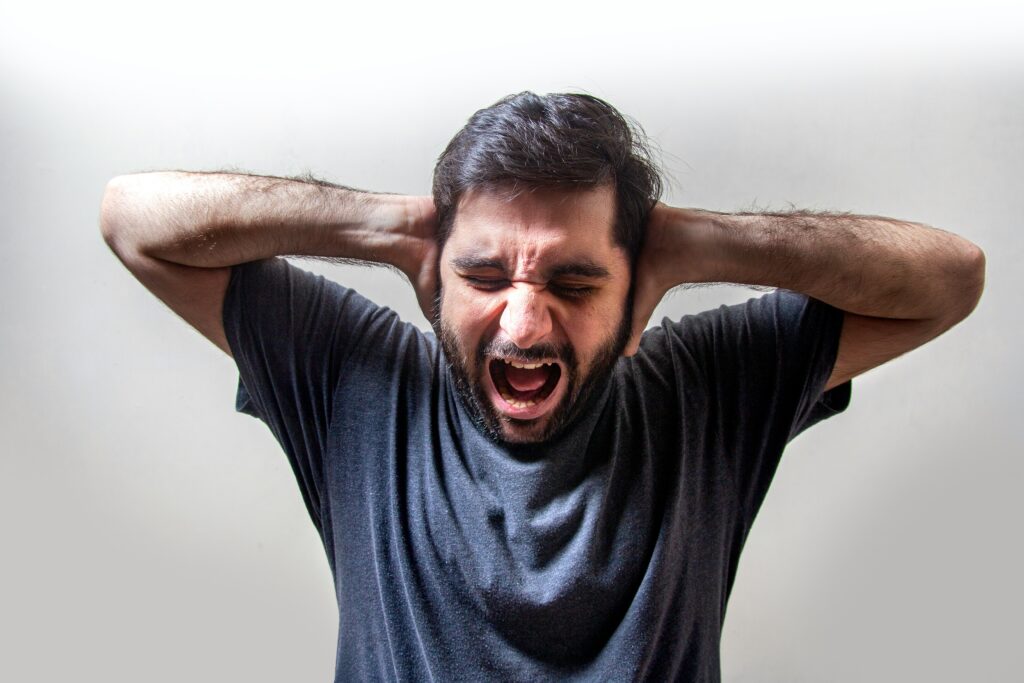
Modern life is often characterised by convenience. We can shop products and services, compare prices instantly, invest online, and access countless services with a few taps on a smartphone. Yet despite these conveniences of modern life, we feel mentally exhausted. But how many of these products or services can we actully buy with 100% confidence? In fact is there any product or service left which we can blindly trust, and hence does not require a deep verification first? The answer for most of us is a big NO.
In today’s world, trust has become increasingly scarce. Almost every shopping transaction has an element of suspicion. Before clicking a link, we doubt whether it is a phishing attempt. Before answering a phone call, we suspect a scam. Before buying a product online, we question whether the reviews are genuine. While buying offline, there is an underlying thought: is this product genuine, or rightly priced? Even a simple purchase often requires checking ratings, comparing alternatives, reading fine print, and verifying its authenticity. This is the economic scenario we live in.
A generation ago, although life was certainly not free from dishonesty, but many transactions were built around local relationships and reputation, and hence trust. We trusted the shopkeeper, the agent, or the service provider, and the customer often didn’t need to verify every other details by themselves. In earlier times, the product choices were few and hence we mostly knew about all of them. In those times, trust was not perfect, but it was deeply embedded in daily life. While technology has made us more choices available, it has also complicated matters, such as shopping, to the point of anxiety.
As entrepreneurs are trying to earn more increasingly, the ethics and responsibility towards customers have been left behind. Some offerings in the market are beneficial, but only for the brand owner and not its customers. For example, the counterfeit product makers care only about their own gains, and no thought is given to the well being of the buyers of such fake products.
Another reason contributing to the shopping anxiety is that today, our interactions with sellers happen only through technology, and mostly we don’t even know them. Due to this trusting ratings and reviews become the only marker but even that is faked these days.
In the current world, customers are left to be on their own and they are expected to become their own investigators for every product/services they buy. They must verify information, scrutinize offers, and protect themselves from being misled. This constant vigilance comes with a hidden cost. Every act of verification consumes attention and mental energy. Reading terms and conditions, comparing products, checking credentials, and evaluating claims may seem like small tasks individually, but together they create a significant cognitive load.
Trust serves an important social function. It reduces the effort required to make decisions. When trust is absent, every interaction demands additional scrutiny. In effect, a low-trust society imposes an invisible tax on its citizens: not as money, but as time, attention, and peace of mind.
While modern progress was supposed to make life easier, many people find themselves spending their energy is simple tasks such as purchasing needs. Perhaps one of the greatest challenges of our time is not creating more choices or more technology, but rebuilding systems and institutions that customers can trust. Because a society where everyone must constantly be on guard is not merely inefficient, it is exhausting.
One Comment